We have encountered the article pertaining to Water Heater Repair and Troubleshooting below on the internet and thought it made sense to share it with you on this page.
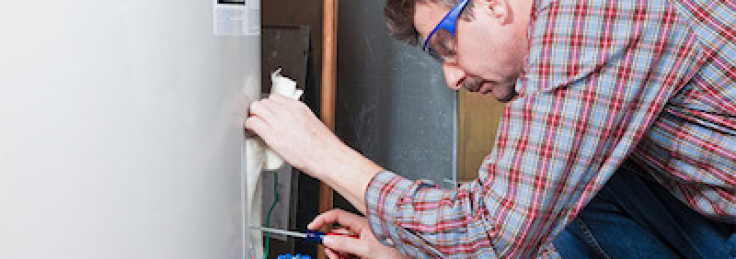
Think of beginning your day without your routine warm shower. That already sets a bad tone for the remainder of your day.
Every house requires a reliable water heater, however just a couple of understand just how to manage one. One simple way to keep your hot water heater in top shape is to look for faults frequently and also fix them as soon as they appear.
Remember to shut off your hot water heater prior to sniffing around for faults. These are the water heater faults you are most likely to experience.
Water too hot or also cool
Every hot water heater has a thermostat that determines just how warm the water gets. If the water coming into your residence is as well warm in spite of setting a hassle-free optimum temperature, your thermostat could be malfunctioning.
On the other hand, also cold water may result from a stopped working thermostat, a broken circuit, or inappropriate gas flow. For example, if you make use of a gas water heater with a busted pilot light, you would certainly get cold water, even if the thermostat remains in excellent problem. For electrical heaters, a blown fuse may be the offender.
Insufficient hot water
Hot water heater can be found in numerous sizes, depending on your warm water demands. If you run out of warm water prior to everybody has had a bath, your hot water heater is as well small for your family size. You should take into consideration mounting a bigger water heater storage tank or choosing a tankless hot water heater, which uses up less room and also is extra durable.
Strange noises
There go to the very least five type of noises you can hear from a water heater, however the most common analysis is that it's time for the hot water heater to retire.
First off, you must know with the typical seems a water heater makes. An electrical heating system may sound different from a gas-powered one.
Standing out or banging noises typically suggest there is a piece of sediment in your containers, and it's time to cleanse it out. On the other hand, whistling or hissing noises may just be your valves allowing some stress off.
Water leaks
Leakages could originate from pipes, water connections, shutoffs, or in the worst-case circumstance, the tank itself. Gradually, water will rust the tank, as well as find its way out. If this takes place, you need to replace your hot water heater as soon as possible.
Nevertheless, before your change your entire storage tank, make certain that all pipes are in location which each shutoff works completely. If you still require aid determining a leak, call your plumber.
Rust-colored water
Rust-colored water indicates one of your water heater components is rusted. Maybe the anode pole, or the container itself. Your plumber will be able to identify which it is.
Lukewarm water
Regardless of exactly how high you set the thermostat, you won't obtain any warm water out of a heater well past its prime. A water heater's effectiveness may decrease with time.
You will also obtain warm water if your pipelines have a cross link. This implies that when you turn on a faucet, warm water from the heating system streams in alongside regular, cold water. A cross link is simple to place. If your warm water taps still run after closing the water heater shutoffs, you have a cross connection.
Discoloured Water
Rust is a major root cause of dirty or discoloured water. Deterioration within the water storage tank or a stopping working anode pole could trigger this discolouration. The anode pole safeguards the container from rusting on the inside and ought to be examined yearly. Without a rod or a properly working anode rod, the hot water swiftly corrodes inside the tank. Get in touch with a specialist water heater professional to determine if replacing the anode rod will certainly take care of the trouble; otherwise, replace your water heater.
Final thought
Preferably, your hot water heater can last one decade prior to you require a change. However, after the 10-year mark, you might experience any one of these mistakes extra routinely. At this point, you should include a new hot water heater to your spending plan.
How To Troubleshoot 3 Common Water Heater Problems in Twin Cities
The Water Heater Is Leaking
A leaky cold water inlet valve A loose pipe fitting A leaky temperature and pressure relief valve A corroded anode rod A cracked tank Turn Off Your Water Heater:
Shut off your gas water heater by turning the gas valve on the unit to the “OFF” position. Shut off your electric water by switching its power off at your electrical panel. Look for a two-pole breaker labeled “water heater” and turn it to the “OFF” position. Move the ball valve connected to the water heater to be perpendicular to the piping at a 90° angle. Look for the Leak:
Depending on whether the water is coming from the tank's top or bottom, you’ll want to look for the leak in different locations.
If the leak comes from the top of the tank, carefully look for water escaping from the cold water inlet valve or loose pipe fittings. Rusted hot and cold water valves can have loose connections with the tank, with water leaking out of them.
https://mspplumbingheatingair.com/blog/how-to-troubleshoot-3-common-water-heater-problems
I came across that piece about Common Problems with Tank Water Heaters while doing a search on the search engines. Loved our piece? Please share it. Let another person discover it. I truly appreciate reading our article about Common Problems with Tank Water Heaters.
Fast service, dial quick!